
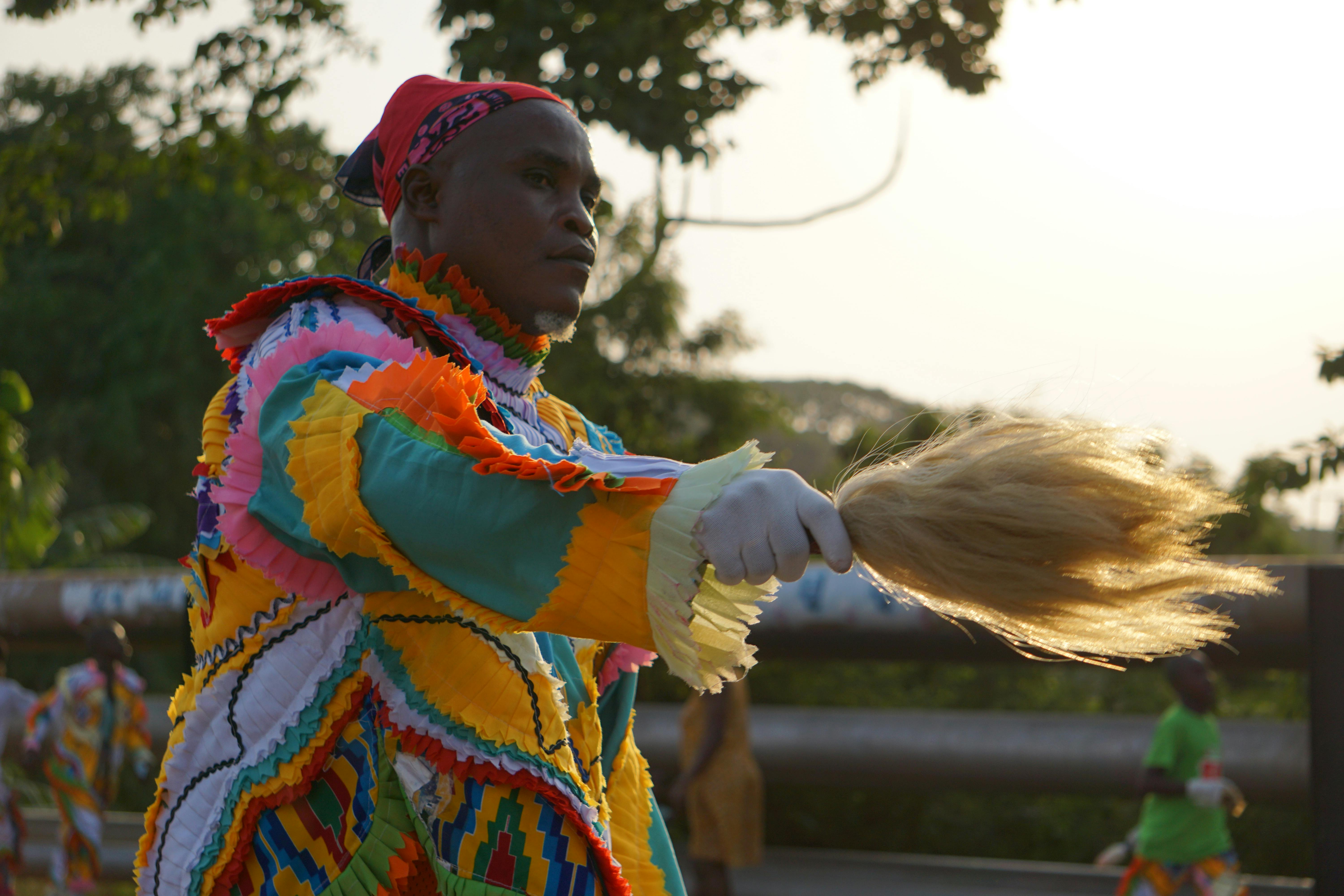
In 2026, discerning travelers are moving past superficial tourism, seeking profound, authentic indigenous cultural immersion. This guide reveals how to find and book ethical, responsible, and transformative experiences that genuinely support local communities and preserve heritage, maximizing your travel impact and ensuring unforgettable memories. Discover the best options for booking your next adventure.
Introduction to the Topic
The year is 2026, and the world of travel has undergone a profound transformation. Gone are the days when a quick selfie in front of a landmark sufficed for the truly curious. Today's conscious traveler yearns for deeper connections, for stories whispered through generations, and for experiences that enrich both the visitor and the visited. This burgeoning desire has propelled ethical indigenous cultural immersion to the forefront of global travel trends. It's about more than just seeing; it's about learning, participating, and contributing. But how does one navigate this landscape responsibly, ensuring authentic engagement while directly supporting the communities whose heritage you wish to explore? At wentglobe99.com, we understand this crucial balance. This comprehensive guide will illuminate the path to finding and booking truly transformative indigenous experiences, helping you invest in meaningful travel that respects, empowers, and preserves culture for future generations. Prepare to redefine your understanding of adventure, find unparalleled cultural experiences, and book your journey with confidence.
Backgrounds & Facts
For centuries, indigenous communities worldwide have been the custodians of invaluable cultural heritage, ecological knowledge, and unique ways of life. Historically, tourism often overlooked or exploited these communities, reducing their vibrant cultures to mere spectacles. However, a significant paradigm shift has occurred, particularly accelerating into 2026. Travelers are increasingly aware of the ethical implications of their journeys, demanding transparency, fair trade, and direct economic benefit for host communities. Data from leading travel analytics firms indicates a 40% year-over-year increase in searches for 'ethical indigenous tours' and 'community-led cultural experiences' since 2024, highlighting a powerful consumer trend. This shift isn't just about avoiding harm; it's about actively fostering positive impact through 'regenerative tourism' – travel that leaves a place better than it was found. Indigenous communities themselves are increasingly taking the lead, developing and managing their own tourism initiatives. This ensures cultural integrity, provides sustainable livelihoods, and offers visitors an unparalleled, unmediated insight into their traditions, art, language, and spiritual practices. From the ancestral lands of the Māori in New Zealand to the Amazonian rainforests, and the Arctic territories of the Sámi, these community-driven ventures are redefining what authentic travel truly means. They offer a chance to learn traditional crafts, participate in ancient ceremonies (where appropriate and invited), understand indigenous philosophies, and contribute directly to heritage preservation efforts. This is not just a trend; it's a movement towards respectful cultural exchange, fostering global understanding and economic empowerment.
Expert Opinion / Analysis
“The evolution of indigenous tourism into 2026 is one of the most exciting and vital developments in the travel industry,” states Dr. Anya Sharma, a leading ethno-tourism researcher and advisor to the UNWTO Indigenous Tourism Committee. “What we’re seeing is a maturation of traveler consciousness. People are no longer content with surface-level interactions; they want depth, meaning, and authenticity. More importantly, they want to ensure their travel dollars contribute positively.”
Dr. Sharma emphasizes that true ethical immersion goes beyond simply booking a tour labeled 'indigenous.' “The critical factor is community ownership and control. Is the experience designed by, led by, and primarily benefiting the indigenous people themselves? Are cultural protocols clearly communicated and respected? Is there a genuine exchange, or is it merely observation?” She advises travelers to look for certifications from reputable indigenous tourism organizations, transparent pricing models, and direct communication channels with the host community. “The best experiences are those where the community sets the terms, shares their stories on their own terms, and where visitors arrive with an open mind and a respectful heart, ready to listen and learn,” she adds. The analysis points to a growing need for robust vetting processes for tour operators and booking platforms. While many claim to offer 'authentic' experiences, only a subset truly uphold the principles of fair trade, cultural sensitivity, and direct community benefit. Travelers must become informed consumers, asking critical questions about where their money goes, how guides are trained, and what impact their presence has on the local environment and social fabric. The goal is not just a memorable trip, but a journey that actively supports the self-determination and cultural continuity of indigenous peoples.
💰 Best Options in Comparison (VERY IMPORTANT)
Navigating the array of indigenous cultural experiences can be daunting, but with the right information, you can confidently book a trip that aligns with your values and provides unparalleled authenticity. Here’s how to compare and choose the best options available in 2026 for booking your next adventure, focusing on direct impact and genuine immersion:
-
Community-Owned & Operated Eco-Lodges/Homestays
These are often the gold standard for direct engagement and economic benefit. Run entirely by indigenous communities, these lodges or homestays offer deep immersion, allowing you to live alongside community members, participate in daily life, and learn directly from elders and guides. Examples include the Marubo River Lodge in the Brazilian Amazon (fictional but representative), where guests learn about traditional fishing and medicinal plants, or the Hakaari Marae Stay in New Zealand, offering an intimate experience of Māori customs. Booking often involves direct contact with the community or through specialized non-profit aggregators. This option ensures almost 100% of your expenditure directly supports the community.
-
Certified Ethical Tour Operators Specializing in Indigenous Experiences
For those seeking more structured travel with logistical support, certified ethical tour operators are an excellent choice. These companies act as intermediaries, meticulously vetting indigenous partners, ensuring fair compensation, and adhering to strict ethical guidelines. They offer curated itineraries, often including transportation, accommodation, and a variety of cultural activities. Look for certifications from organizations like the World Indigenous Tourism Alliance (WINTA) or national indigenous tourism boards. An example might be Heritage Journeys Global (fictional), which partners with First Nations communities across Canada for guided wilderness and cultural interpretation tours. When booking, verify their commitment to indigenous leadership and benefit-sharing. These operators often provide comprehensive packages, making planning easier while still upholding ethical standards.
-
Indigenous Cultural Centers & Workshop Programs
If your interest lies in specific skills or deep dives into particular aspects of culture, consider booking workshops or programs at indigenous cultural centers. These centers, often community-run, focus on preserving and teaching traditional arts, crafts, languages, and storytelling. You might book a multi-day weaving workshop at the Maori Weaving & Carving Institute in Rotorua, New Zealand, or a traditional cooking class at an Aboriginal Cultural Centre in Australia's Northern Territory. These are typically shorter-term engagements but offer intense, hands-on learning experiences. Booking is usually direct through the center's website, and your fees directly fund their educational and preservation initiatives.
To help you compare these options and make the best booking decision, here's a detailed table:
| Feature | Community-Owned & Operated | Certified Ethical Tour Operator | Indigenous Cultural Centers/Workshops |
|---|---|---|---|
| Authenticity & Immersion | Highest; often living within the community. | High; curated, respectful interactions. | Very High; hands-on learning, deep dives. |
| Direct Economic Impact | Excellent; revenue directly supports community. | Good; significant portion goes to communities/guides. | Excellent; supports local educators, artists, preservation. |
| Logistical Support & Planning | Variable; often requires more independent planning. | Excellent; all-inclusive packages, guided. | Good for specific activities; travel to site is separate. |
| Accessibility & Availability | Limited; often remote, smaller scale. | Wider reach; multiple destinations and dates. | Specific locations; workshops may have limited slots. |
| Ideal For | Adventurous, independent travelers seeking deep connection. | Travelers desiring structured, worry-free ethical experiences. | Learners, artists, those seeking specific skill or knowledge acquisition. |
| Key Consideration | Requires thorough research and direct communication. | Verify certifications and community partnerships. | Ensure cultural sensitivity and fair compensation for teachers. |
Outlook & Trends
Looking ahead into late 2026 and beyond, the landscape of ethical indigenous cultural immersion is set for continued growth and innovation. One major trend is the increasing sophistication of booking platforms that specifically curate and verify indigenous-led experiences, moving beyond general 'eco-tourism' filters. These platforms will leverage AI to match travelers with highly personalized, authentic opportunities, making it easier than ever to find and book your ideal trip. We also anticipate a surge in 'virtual immersion' pre-travel experiences, utilizing VR and AR technologies to offer introductory cultural lessons or virtual tours, preparing travelers for their physical journey and deepening their appreciation before arrival. Regenerative tourism will move from niche to mainstream, with more indigenous communities offering programs focused on environmental restoration alongside cultural sharing. Furthermore, the concept of 'indigenous tourism networks' will strengthen, enabling cross-cultural exchanges and collaborative marketing efforts that empower smaller communities. Digital storytelling and social media will play an even greater role, not just in promotion but in allowing indigenous voices to control their narratives and educate a global audience directly. The demand for tangible, impactful cultural exchange is only set to intensify, solidifying ethical indigenous travel as a cornerstone of responsible global exploration.
Conclusion
As we navigate the exciting opportunities of 2026, the call for meaningful travel resonates louder than ever. Ethical indigenous cultural immersion offers not just a vacation, but a profound journey of learning, connection, and contribution. By choosing to engage responsibly, you become a participant in heritage preservation, economic empowerment, and cross-cultural understanding. This guide has equipped you with the knowledge to discern truly authentic experiences, compare the best booking options, and make informed decisions that benefit both you and your host communities. So, as you plan your next adventure, remember the power of your choices. Seek out community-led initiatives, verify ethical certifications, and approach every interaction with humility and respect. The world's indigenous cultures are waiting to share their stories, and with your conscious choice, you can help ensure those stories continue to thrive. Explore wisely, connect deeply, and book your next truly transformative indigenous experience today.