
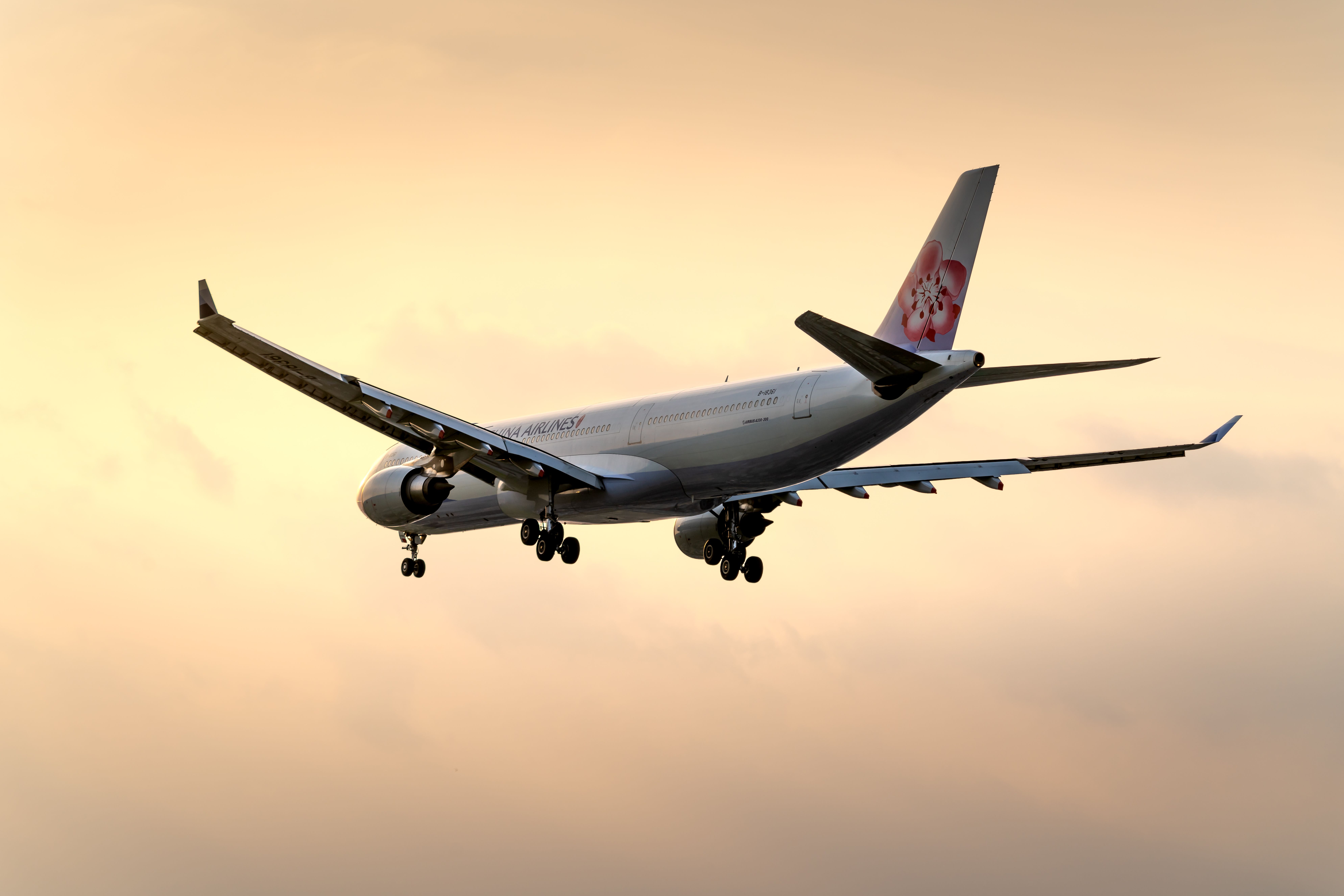
The skies are changing! In 2026, Sustainable Aviation Fuel (SAF) is leading a revolution in air travel. This comprehensive guide helps you navigate eco-friendly flight options, compare top airlines committed to reducing their carbon footprint, and discover how to book responsible, greener journeys without breaking the bank. Understand the impact, identify leading sustainable airlines, and make informed choices for your next adventure.
Introduction to the Topic
Welcome to 2026, a pivotal year for air travel. The roar of jet engines is still a symphony to adventurers and business travelers alike, but a new, quieter hum is growing louder: the sound of sustainability. As global awareness of climate change intensifies, the aviation industry, once seen as a significant contributor to carbon emissions, is undergoing a profound transformation. The buzzword on every traveler's lips, and in every airline boardroom, is Sustainable Aviation Fuel (SAF).
For too long, the idea of 'green flying' felt like a distant dream, a niche luxury, or even an oxymoron. But in 2026, thanks to rapid technological advancements, increased investment, and burgeoning consumer demand, eco-friendly air travel is not just a possibility – it's an increasingly accessible reality. This article from wentglobe99.com isn't just about understanding the shift; it's your essential guide to actively participating in it, showing you how to choose, compare, and book your next sustainable flight with confidence and clarity, maximizing your travel experience while minimizing your environmental impact.
Are you ready to discover how your choice of airline can make a tangible difference? Let's dive into the future of flight, where your wanderlust aligns perfectly with your commitment to the planet.
Backgrounds & Facts
The urgency for sustainable aviation stems from undeniable facts: air travel currently accounts for around 2.5% of global CO2 emissions. While seemingly small, this figure is projected to grow significantly as demand for travel escalates. The industry, through bodies like IATA, has committed to achieving net-zero carbon emissions by 2050. How do we get there? The answer, overwhelmingly, lies in Sustainable Aviation Fuel.
What is Sustainable Aviation Fuel (SAF)?
SAF is a direct replacement for conventional jet fuel, made from sustainable feedstocks rather than fossil fuels. It can reduce lifecycle greenhouse gas emissions by up to 80% compared to traditional jet fuel. Unlike electric or hydrogen propulsion, which are still decades away for long-haul commercial flights, SAF is a 'drop-in' solution, meaning it can be blended with conventional jet fuel and used in existing aircraft engines and infrastructure without modifications. This makes it the most viable immediate pathway to decarbonizing aviation.
Key Feedstocks for SAF in 2026:
- Used Cooking Oil (UCO) & Animal Fats: Currently the most common and commercially available feedstock.
- Agricultural Waste & Forestry Residues: Utilizing biomass that would otherwise be discarded.
- Municipal Solid Waste: Converting household trash into fuel, addressing waste management challenges.
- Power-to-Liquid (PtL) / e-SAF: A cutting-edge process that uses renewable electricity, water, and captured CO2 to create synthetic fuel. While nascent, it holds immense promise for virtually unlimited, truly sustainable production in the long term.
Governments worldwide are implementing mandates and incentives for SAF production and usage. The EU's ReFuelEU Aviation initiative, for instance, sets blending mandates for SAF, starting with 2% in 2025 and escalating significantly thereafter. The US offers tax credits and investment in SAF production. These policies, coupled with growing corporate and consumer demand, are driving exponential growth in SAF production capacity, though it still represents a tiny fraction of overall fuel use in 2026.
Beyond SAF, airlines are also investing in lighter aircraft materials, more aerodynamic designs, optimized flight paths using AI to avoid adverse weather and minimize detours, and improved ground operations. Carbon offsetting programs also play a role, allowing travelers to financially support projects that reduce emissions elsewhere, though these are often viewed as a temporary measure compared to direct emission reductions from SAF.
Expert Opinion / Analysis
"The aviation industry is at a critical inflection point in 2026," explains Dr. Anya Sharma, a leading Aviation Sustainability Analyst at the Global Transport Institute. "SAF is no longer a niche concept; it's the cornerstone of the industry's decarbonization strategy. However, challenges remain significant, primarily around scaling production and reducing costs."
Dr. Sharma highlights that while SAF offers substantial lifecycle emission reductions, its current cost can be two to five times higher than traditional jet fuel. "This cost premium is the biggest hurdle. Airlines are absorbing some of it, but increasingly, they are seeking ways to pass a portion onto consumers or corporate clients willing to pay a 'green premium.' This is where consumer choice becomes incredibly powerful – by opting for greener flights, you directly support the growth of SAF and help drive down its cost through increased demand and investment."
Another crucial aspect is transparency and avoiding 'greenwashing.' "Not all sustainability claims are equal," warns Dr. Sharma. "Travelers need to look beyond marketing slogans. Genuine commitment involves clear, measurable targets for SAF usage, investment in SAF production facilities, and transparent reporting on emissions. Look for airlines that offer verified carbon offset programs, but prioritize those actively investing in direct emission reductions through SAF."
The analyst further notes that the shift isn't just about fuel. "Airlines are rethinking their entire operational footprint, from reducing single-use plastics onboard to optimizing ground logistics. The most forward-thinking carriers are integrating sustainability into every facet of their business, understanding that it's not just an environmental imperative, but a competitive advantage in an increasingly conscious market."
💰 Best Options in Comparison (VERY IMPORTANT)
As a savvy traveler in 2026, you have more power than ever to choose flights that align with your values. Here are some leading airlines actively championing sustainable aviation, offering you tangible ways to reduce your flight's environmental impact:
- United Airlines (USA): A pioneer in SAF investment, United has been at the forefront of SAF purchasing agreements and actively supports SAF production startups. Their 'Eco-Skies Alliance' allows corporate partners to contribute to SAF purchases, and they often offer passengers the option to contribute to SAF funds or carbon offsets during booking. United aims to be 100% green by 2050, without relying on traditional offsets.
- KLM Royal Dutch Airlines (Netherlands): KLM has long been a leader in SAF adoption in Europe, with significant SAF blending targets and active participation in various SAF development projects. They offer a 'Fly Responsibly' program where passengers can purchase SAF for their flight or contribute to certified carbon offsetting projects. Their transparency in reporting SAF usage is commendable.
- Lufthansa Group (Germany): Comprising Lufthansa, SWISS, Austrian Airlines, and more, the Lufthansa Group is investing heavily in SAF procurement and has launched innovative initiatives like the 'Green Fares' option. These fares automatically include a portion of SAF use and a contribution to high-quality climate protection projects, making sustainable booking incredibly straightforward.
- Delta Air Lines (USA): Delta has committed over $1 billion to become carbon neutral by 2050. While initially focused on carbon offsets, they are rapidly scaling up SAF procurement and have invested in biofuel production. They focus on fleet modernization and operational efficiency as well, and offer voluntary carbon offset options for passengers.
To help you make an informed decision, here's a comparison of key sustainability metrics for these leading airlines in 2026:
| Airline | SAF Commitment (2026 Goal/Usage) | Passenger Green Option | Fleet Modernization | Transparency Score (1-5) | Booking Integration |
|---|---|---|---|---|---|
| United Airlines | ~1-2% of total fuel; significant purchase agreements. | Voluntary SAF contribution/offsets. | Aggressive new aircraft orders (737 MAX, A321neo). | 4.5 | Option at checkout; corporate programs. |
| KLM Royal Dutch Airlines | ~1.5-2.5% blend target for flights from Amsterdam. | 'Fly Responsibly' (SAF purchase/offset). | Continuous fleet renewal (787, A350 orders). | 4.7 | Clear options during booking flow. |
| Lufthansa Group | ~1-2% of total fuel; substantial PtL investment. | 'Green Fares' (integrated SAF & offset). | Large-scale A350, 787, 777X orders. | 4.6 | Dedicated fare option at selection. |
| Delta Air Lines | Increasing SAF procurement; investing in production. | Voluntary carbon offsets. | Major fleet renewal (A321neo, A220). | 4.2 | Option at checkout. |
When booking, look for specific 'green' or 'eco-friendly' fare options, or clearly marked opportunities to contribute to SAF purchases or verified carbon offset projects. Websites like Google Flights and Skyscanner are also beginning to integrate emissions data, allowing you to compare the carbon footprint of different routes and airlines directly.
Outlook & Trends
The trajectory for sustainable aviation in 2026 and beyond is steep and exciting. SAF production is projected to scale dramatically, driven by policy mandates, technological innovation, and growing market demand. We can expect to see:
- Cost Parity for SAF: As production scales and new, more efficient conversion technologies emerge, the cost premium for SAF is expected to decrease significantly, making it more accessible for airlines and, by extension, passengers.
- E-SAF (Power-to-Liquid) Breakthroughs: While currently expensive, e-SAF, which uses renewable electricity and captured CO2, is seen as the long-term game-changer. Significant investments in e-SAF plants are expected to accelerate, particularly in regions with abundant renewable energy.
- Hydrogen and Electric Propulsion: For shorter regional flights, electric and hydrogen-powered aircraft are moving from prototype to commercial reality. By the end of the decade, we may see the first hydrogen-powered commercial flights, revolutionizing short-haul routes.
- Advanced Air Mobility (AAM): eVTOLs (electric Vertical Take-Off and Landing aircraft) are poised to offer eco-friendly urban and regional transport, reducing the reliance on short-haul conventional flights.
- Stricter Regulations and Reporting: Governments will likely impose more stringent SAF blending mandates and demand greater transparency in airlines' sustainability reporting, ensuring genuine progress and combating greenwashing.
- Integrated Green Booking Experiences: Travel platforms will increasingly offer sophisticated filters and comparison tools for 'green' flights, making it easier than ever for consumers to identify and book sustainable options.
Your choices today are directly influencing these trends, accelerating the adoption of cleaner technologies and pushing the industry towards a truly sustainable future.
Conclusion
Flying in 2026 is no longer just about reaching your destination; it's about how you get there. The rise of Sustainable Aviation Fuel and the widespread commitment of leading airlines present an unprecedented opportunity for travelers to make a real difference. By choosing airlines that invest in SAF, offer transparent green options, and prioritize fleet modernization, you become an active participant in the global effort to decarbonize air travel.
As we've explored, the tools and information are readily available to compare and select the best sustainable flight options. Gone are the days when eco-consciousness meant sacrificing convenience or affordability. In 2026, flying green is becoming a smart, accessible, and impactful choice for every journey. So, next time you're planning your escape, remember this guide. Use the comparisons, seek out the green options, and book your flight knowing you're contributing to a healthier planet, one sustainable journey at a time. The sky truly is the limit when we fly responsibly.