
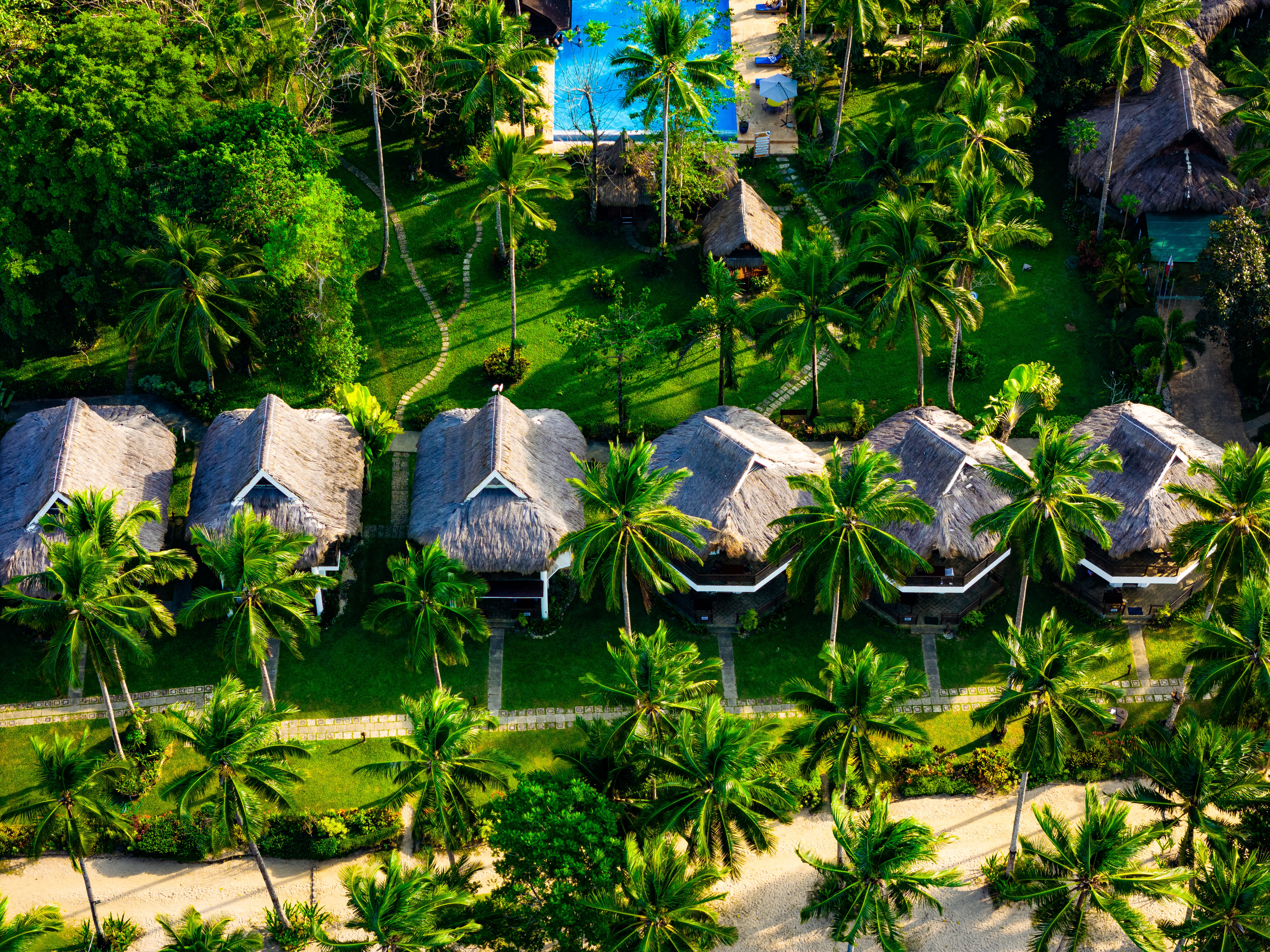
Discover the ultimate guide to sustainable luxury travel in 2026. Explore eco-friendly destinations, responsible tourism practices, and exclusive experiences designed for the discerning, conscious traveler. Learn how to book ethical adventures, compare top eco-lodges, and find the best sustainable travel packages for a guilt-free, premium escape.
Introduction to the Topic
As we navigate the mid-2020s, the landscape of high-end travel is undergoing a profound transformation. The discerning traveler of 2026 isn't just seeking opulence; they demand purpose, authenticity, and a minimal ecological footprint. Welcome to the era of Sustainable Luxury Travel – where unparalleled comfort meets unwavering commitment to the planet and its people. This isn't a niche market anymore; it's the future of premium travel, driven by a global awakening to environmental responsibility and the desire for more meaningful experiences.
Forget the outdated notion that 'eco-friendly' means roughing it. Today's sustainable luxury offers bespoke experiences, award-winning culinary delights sourced locally, state-of-the-art facilities powered by renewable energy, and immersive cultural encounters that enrich both the traveler and the host community. At wentglobe99.com, we understand your desire for both indulgence and integrity. This comprehensive guide will illuminate the path to extraordinary, responsible journeys, ensuring your 2026 adventures leave a positive legacy, not just cherished memories. Get ready to explore breathtaking destinations, compare exclusive sustainable options, and book your next unforgettable escape with confidence.
Backgrounds & Facts
The rise of sustainable luxury travel is no accident; it's a direct response to escalating environmental concerns and a shift in consumer values. In 2026, the global sustainable tourism market is projected to reach unprecedented heights, with a compound annual growth rate far outstripping conventional travel. Travelers are increasingly aware of their carbon footprint and the impact of mass tourism, leading to a demand for transparent, ethical alternatives.
Key drivers include:
- Environmental Awareness: Climate change, biodiversity loss, and plastic pollution are top-of-mind. Travelers seek brands and destinations actively working towards conservation and regeneration.
- Technological Advancements: Innovations in renewable energy, waste management, water purification, and sustainable building materials are enabling luxury properties to operate with minimal environmental impact. AI-powered platforms are also helping travelers find and book certified green accommodations and tours.
- Ethical Consumerism: A growing desire to support local economies, preserve cultural heritage, and ensure fair labor practices. Certifications like GSTC (Global Sustainable Tourism Council), B Corp, and various national eco-labels provide crucial benchmarks for authenticity.
- Experiential Demand: Beyond lavish amenities, travelers crave authentic connections – with nature, culture, and themselves. Sustainable luxury often means deeper, more immersive experiences that are inherently more memorable.
- Post-Pandemic Reflection: The global pause in travel prompted a re-evaluation of priorities, with many emerging travelers prioritizing health, wellness, and responsible choices.
Leading destinations and hospitality groups are investing heavily in carbon-neutral operations, regenerative agriculture, community empowerment programs, and wildlife conservation, demonstrating that luxury and responsibility can not only coexist but thrive together.
Expert Opinion / Analysis
“The transition to sustainable luxury isn't just a trend; it's a fundamental paradigm shift,” states Dr. Anya Sharma, a leading travel futurist and environmental economist. “By 2026, premium travelers are not just asking 'What can this destination offer me?' but 'How does this destination benefit the world?' This deeper inquiry drives innovation across the entire travel ecosystem, from eco-design architecture to community-led tourism initiatives.”
Our analysis at wentglobe99.com reveals that the true value proposition of sustainable luxury extends beyond mere 'greenwashing.' Genuine sustainable luxury providers are characterized by:
- Holistic Integration: Sustainability is woven into every aspect of their operation – from construction and energy sourcing to supply chains and staff training.
- Local Empowerment: Significant investment in local communities, providing employment, training, and opportunities for local entrepreneurs, ensuring tourism benefits are equitably distributed.
- Conservation & Regeneration: Active participation in conservation projects, wildlife protection, and even regenerative practices that aim to leave the environment better than they found it.
- Transparency & Certification: Openness about their environmental and social impact, often backed by credible third-party certifications that give travelers peace of mind.
- Authentic Experiences: Curated itineraries that connect travelers deeply with the natural and cultural environment, fostering a sense of appreciation and stewardship.
For the traveler, this translates into a richer, more meaningful journey. The ROI isn't just about the exquisite comfort, but the profound satisfaction of knowing your travel choices contribute positively to the world. It’s about experiencing the untouched beauty of Patagonia from a carbon-neutral lodge, savoring farm-to-table cuisine in Tuscany that supports local organic farmers, or tracking gorillas in Rwanda knowing your stay directly funds conservation efforts. This is the new benchmark for luxury in 2026.
💰 Best Options in Comparison (VERY IMPORTANT)
Choosing your ideal sustainable luxury escape can be overwhelming with the myriad of options available. To help you make an informed decision and book the perfect trip, we’ve categorized the top sustainable luxury experiences for 2026, highlighting their unique appeals and what makes them stand out.
-
1. Remote Eco-Luxury Wilderness Retreats
Perfect for those seeking profound connection with nature without sacrificing comfort. These retreats are often nestled in pristine natural environments – think Amazon rainforest, African savannas, or Arctic wilderness. They typically feature architecturally stunning lodges, private villas, and tents designed to blend seamlessly with the landscape, utilizing renewable energy and sustainable water systems. Activities often include guided wildlife safaris, jungle treks, stargazing, and cultural exchanges with indigenous communities. Expect unparalleled privacy and personalized service.
Keywords: eco-lodge, wilderness retreat, luxury safari, conservation travel, remote escape, nature immersion, sustainable glamping, wildlife adventure.
-
2. Urban Green Boutique Hotels & Experiential City Stays
For the city explorer who demands sustainability. These options redefine urban luxury by integrating green building practices, farm-to-table dining with hyper-local sourcing, advanced waste reduction programs, and community engagement. They often partner with local artisans and offer immersive cultural experiences that benefit urban regeneration. Expect sleek design, smart technology for energy efficiency, and prime locations with access to vibrant city life and green spaces.
Keywords: green city hotels, sustainable boutique hotels, urban eco-luxury, responsible city breaks, local cultural experiences, eco-conscious urban travel, sustainable dining.
-
3. Ethical Marine & Wildlife Conservation Expeditions
Ideal for adventurous souls passionate about ocean health and wildlife protection. These are often small-group, high-end cruises or land-based expeditions to biodiverse hotspots like the Galápagos, Antarctica, or remote marine sanctuaries. They feature expert naturalists, scientists, and guides, with a strong emphasis on education, citizen science, and direct contribution to conservation efforts. Vessels are typically designed for minimal environmental impact, and tours adhere to strict ethical wildlife viewing guidelines.
Keywords: conservation cruise, ethical expedition, wildlife travel, marine eco-tourism, responsible wildlife viewing, luxury adventure travel, citizen science travel.
-
4. Holistic Wellness & Regenerative Farm-to-Table Resorts
Focused on rejuvenating mind, body, and spirit while actively contributing to local ecosystems and communities. These resorts often feature organic farms, extensive wellness programs (yoga, meditation, spa treatments using natural products), and a deep commitment to regenerative agriculture. Guests can participate in workshops, harvest ingredients, and learn about sustainable living. The emphasis is on local sourcing, minimal waste, and creating a healing environment that extends beyond the individual to the land itself.
Keywords: wellness retreat, regenerative tourism, farm-to-table luxury, organic resort, sustainable spa, holistic travel, eco-wellness, mindful travel.
To help you compare and make your booking decision, here's a detailed comparison table:
| Option Type | Primary Focus | Typical Price Range (2026 est. per night/package) | Key Sustainability Features | Best For | Booking Considerations |
|---|---|---|---|---|---|
| Remote Eco-Luxury Wilderness Retreats | Deep nature immersion, wildlife viewing, privacy | $800 - $5,000+ | Renewable energy, minimal footprint architecture, conservation funding, local employment. | Adventurous couples, nature photographers, those seeking ultimate serenity and wildlife encounters. | Book far in advance, check accessibility, inquire about specific conservation projects. |
| Urban Green Boutique Hotels & Experiential City Stays | Cultural exploration, culinary excellence, responsible urban living | $300 - $1,500+ | Green building certs, local sourcing, waste reduction, community art/culture support. | Culture enthusiasts, foodies, business travelers, those who want luxury with a conscience in metropolitan areas. | Look for certified green hotels; research local partnerships and unique experiences offered. |
| Ethical Marine & Wildlife Conservation Expeditions | Scientific discovery, wildlife conservation, educational adventure | $5,000 - $20,000+ (package) | Low-impact vessels, expert-led conservation, citizen science participation, ethical viewing protocols. | Serious adventurers, marine biologists, families seeking educational and impactful journeys. | Verify operator's conservation credentials, group size, and itinerary details. |
| Holistic Wellness & Regenerative Farm-to-Table Resorts | Personal well-being, sustainable living, gastronomic excellence | $500 - $3,000+ | Organic farming, natural building materials, water recycling, wellness programs, community support. | Wellness seekers, culinary enthusiasts, those interested in sustainable agriculture and personal growth. | Check specific wellness programs, farm-to-table sourcing transparency, and local community engagement. |
Remember to utilize platforms that filter for certified sustainable options when you're ready to book. Look for clear indications of eco-certifications, community involvement, and transparent environmental policies. Compare prices and package deals from various reputable providers to secure the best value for your sustainable luxury adventure.
Outlook & Trends
The future of sustainable luxury travel in 2026 and beyond is bright and dynamic. We anticipate several key trends shaping the industry:
- Hyper-Personalized Eco-Itineraries: AI-driven travel planners will create bespoke sustainable itineraries based on individual preferences, carbon footprint goals, and desired impact.
- Regenerative Tourism Dominance: Moving beyond 'do no harm' to actively 'do good.' Destinations and operators will focus on leaving places better than they found them, with travelers participating in restoration projects.
- Carbon-Negative Travel Initiatives: Some pioneers will aim for not just carbon neutrality but actively removing more carbon than they emit, through innovative offsetting and direct air capture technologies.
- Blockchain for Transparency: Utilizing blockchain technology to verify the authenticity of carbon offsets, track supply chains for local sourcing, and ensure fair wages for local communities, providing unparalleled transparency to the luxury traveler.
- Space Tourism with a Conscience: Even nascent space tourism ventures will face pressure to demonstrate sustainable practices, from rocket fuel to orbital debris management, setting a new frontier for ethical exploration.
- Community-Led Conservation & Tourism: Increased collaboration between luxury operators and indigenous or local communities, giving them greater ownership and benefit from tourism development.
Emerging destinations in regions like Bhutan, Costa Rica, Norway's Lofoten Islands, and remote areas of Patagonia are already leading the charge, showcasing innovative models that blend high-end experiences with profound environmental and social responsibility. These pioneers are setting the standard for what it means to travel luxuriously and responsibly in the coming decades.
Conclusion
In 2026, sustainable luxury travel is no longer a compromise; it is the ultimate expression of sophisticated, conscious living. It’s an investment in unparalleled experiences, personal well-being, and the health of our planet. By choosing sustainable luxury, you are not just booking a vacation; you are making a statement, contributing to a better world, and embarking on a journey that will resonate long after you return home.
At wentglobe99.com, we are committed to guiding you through this exciting new frontier. Embrace the opportunity to explore the world's most breathtaking destinations responsibly. Use this guide to compare your options, delve into the details, and make informed choices. Start planning your sustainable luxury escape today and redefine what extraordinary travel means for you. Your next ethical adventure awaits – book smarter, travel better, and leave a positive mark on every destination you explore!