
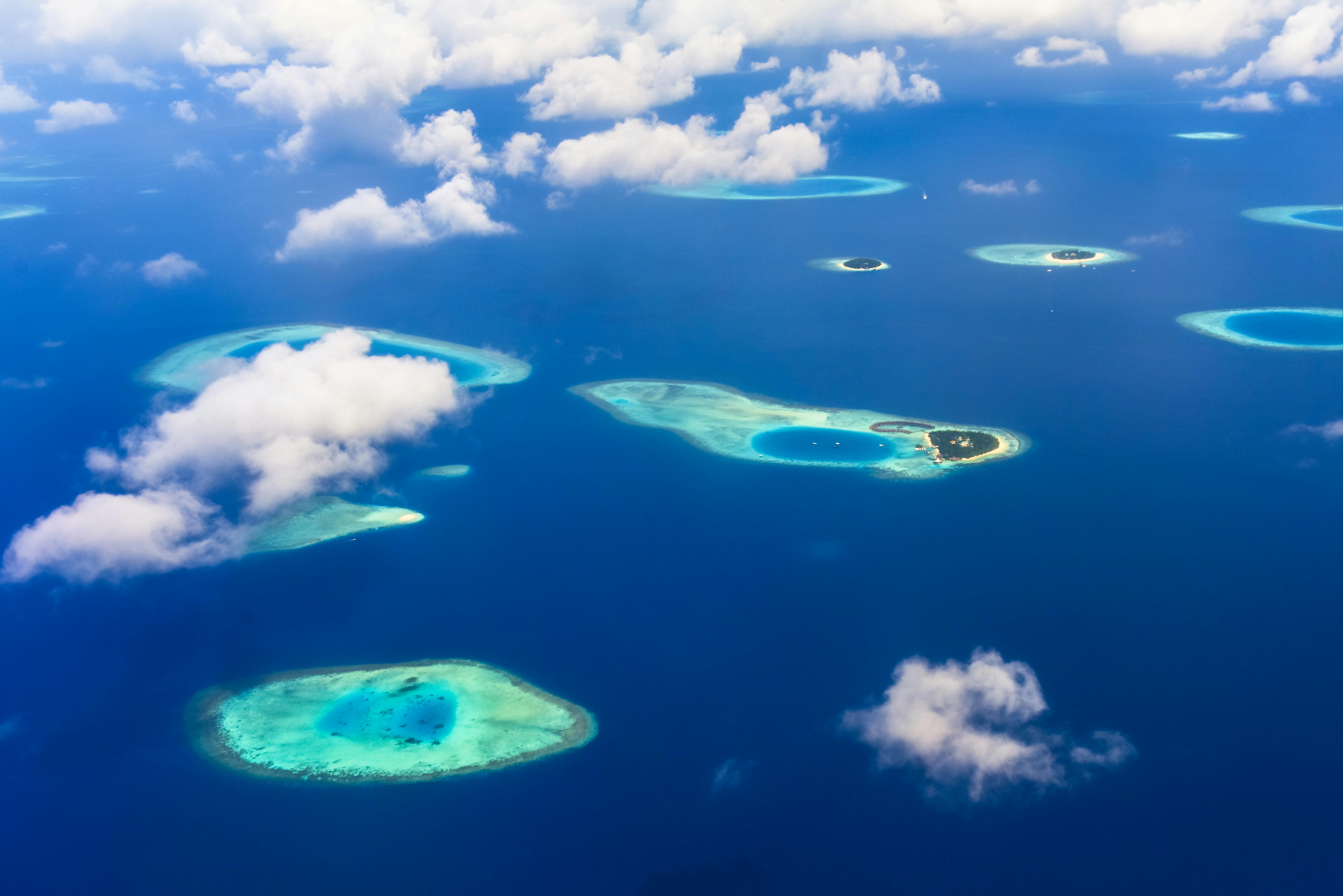
A meal, a rental car or a bottle of water on a small island frequently costs more than the same item on the nearest mainland. The gap is structural rather than opportunistic.
Almost everything arrives by sea or air
Small islands import most manufactured goods, much of their food and all of their fuel. Freight cost is added to every item before it reaches a shelf.
Sea freight is cheap per tonne but slow and delivered in large units. Islands with low demand cannot fill containers efficiently, so the per-item cost rises.
Perishables often travel by air, which multiplies the cost again. Fresh produce that is inexpensive on the mainland can be a luxury item across the water.
Infrastructure costs are spread across few people
An island still needs a port, an airport, a power station, water treatment and a hospital. Those are largely fixed costs regardless of how small the population is.
Fewer residents means each one carries a larger share. Utility tariffs on islands are frequently well above mainland rates for exactly this reason.
Water is the most extreme case where rainfall is limited. Desalination is energy intensive, and on islands running on imported fuel the two costs compound.
Competition thins in a small market
A market of a few thousand people supports one supermarket, one fuel supplier and perhaps two rental firms. There is no room for the competition that disciplines prices elsewhere.
Transport connections show the same pattern. A single ferry operator or a single airline on a route sets its own price with little pressure.
Where a second operator does enter, fares typically fall sharply and then recover if one withdraws. The swing reveals how much the structure was doing.
Seasonality compresses the earning window
Many island economies earn most of their tourism revenue in a short season. Businesses set prices to cover a full year from a few months of trade.
Staff are often brought in for the season and housed, which adds a cost mainland employers do not carry. Housing shortages make this worse where visitors compete for the same stock.
Outside the season, supply contracts sharply. Fewer flights, closed restaurants and reduced ferry frequency change what a trip is rather than just what it costs.
Where the value actually sits
Locally produced food, fish and drink are the items least affected by import costs. Eating what the island makes is both cheaper and better than seeking familiar imports.
Public transport and shared boats undercut rental costs substantially where they exist. On small islands the distances rarely justify a car for the whole stay.
Longer stays also dilute the fixed costs of getting there. The transfer is a large share of a short trip and a small share of a long one.