
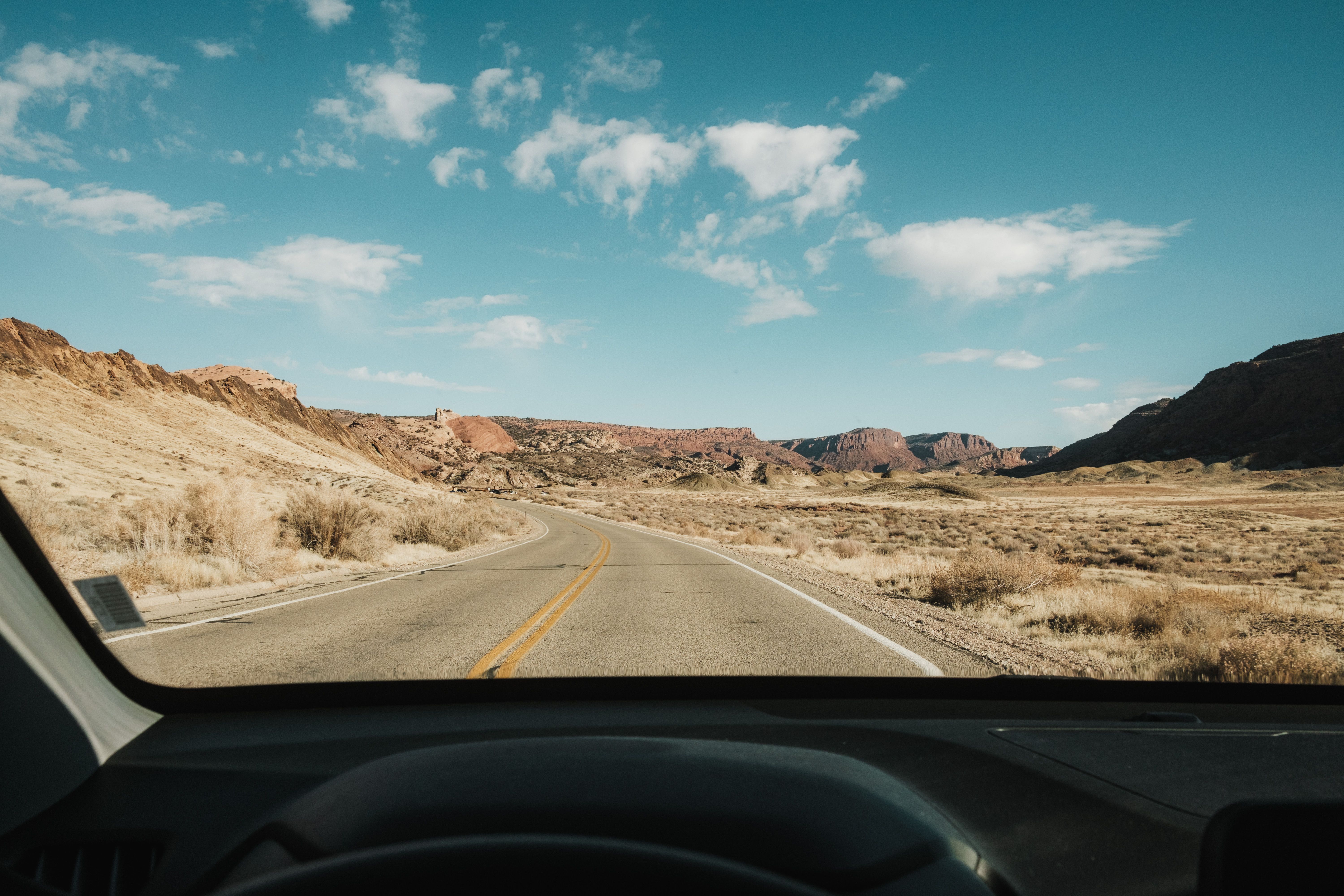
Drivers routinely take a longer free road to avoid a toll and end the day worse off. The toll is visible and the costs of avoiding it are not, which is the whole of the confusion.
The free road is rarely the same distance
Toll roads are usually built to take the direct line, because that is what justified the construction cost. The free alternative predates it and follows terrain, settlements and older property boundaries.
That adds distance, sometimes a substantial amount. Extra miles cost fuel at a rate the driver already knows, and the sum often exceeds the toll before anything else is counted.
The gap widens on long routes. A short toll section may be genuinely avoidable, while a long corridor built to bypass a mountain range has no cheap substitute.
Stop-start driving burns more fuel
A motorway at steady speed is close to the most efficient way an engine can work. The free route runs through towns with junctions, roundabouts, traffic lights and reduced limits.
Every deceleration converts fuel already burned into heat in the brakes. Accelerating back to speed spends more, and a route with dozens of these events consumes noticeably more per mile.
Electric vehicles narrow the gap because regenerative braking recovers part of that energy. They do not eliminate it, and the time cost remains identical.
Time has a value even on holiday
The free route commonly adds an hour or more to a long leg. On a driving holiday that hour comes out of daylight, arrival time or the following day's energy.
Fatigue is the part drivers discount most heavily. Concentrating through town centres is more tiring than motorway driving, and tiredness accumulates across consecutive days.
Where a trip involves several long legs, the accumulated delay reshapes the itinerary. Bookings get missed and the schedule compresses at the far end.
Wear is a real cost, just a deferred one
Brakes, clutches and tyres wear according to how they are used rather than only how far. A route with constant speed changes consumes those components faster than steady cruising does.
None of that appears on the trip's budget because it is paid later at a garage. Deferred costs feel smaller than a payment made at a barrier, though the money is identical.
Rental drivers face a different version. Damage and wear are absorbed by the rental company, which is why they are more indifferent to route choice than owners.
Where avoiding the toll genuinely wins
The calculation flips when the free road is scenic and the drive is the point. A coastal route through villages is a destination, and treating it as a detour misreads the trip.
It also flips for very short toll sections with a parallel road of similar length. There the toll buys almost nothing, and avoiding it costs a few minutes.
The useful test is what the alternative adds in distance and junctions. Beyond a modest threshold on either measure, the barrier is the cheaper option.