
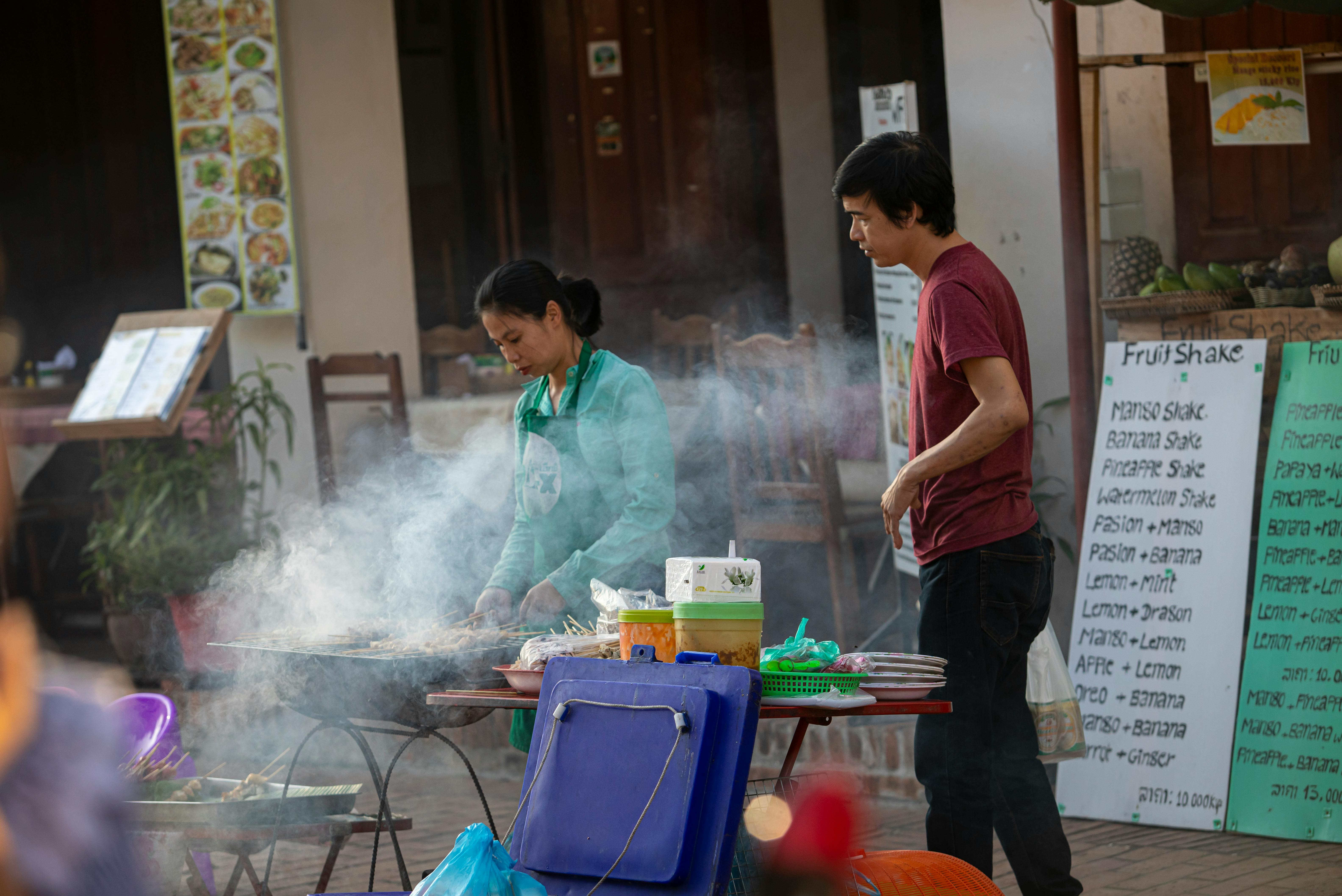
A restaurant can hand two customers different menus, and even where the menu is the same it is written for one audience. The differences are consistent enough to be read as signals.
Translation narrows the offer
Translating a menu costs money and has to be redone whenever dishes change. The practical response is a shorter, fixed selection that stays constant through the year.
Seasonal dishes are the first casualty because they would require constant revision. What remains is the part of the menu that never changes.
Descriptions also flatten in translation. Regional names, cuts and preparations are replaced by generic terms that a visitor will recognise.
Photographs signal a different business model
Pictures on a menu exist to sell across a language barrier, which is a reasonable purpose. They also indicate a kitchen expecting each customer once rather than repeatedly.
Repeat custom disciplines a kitchen because failure has a cost. A restaurant serving passing visitors on a busy square has no such feedback.
The same logic applies to staff on the pavement inviting people in. Recruitment effort substitutes for reputation.
Fixed price menus optimise for cost, not quality
A set price for several courses requires the kitchen to control ingredient cost tightly. Dishes are chosen for cheapness and for the ability to prepare them in advance.
These menus can be good value where the local dining culture uses them normally, which many do at lunchtime for workers. That version is priced and cooked for residents.
The distinction is who the menu is aimed at. A worker's lunch menu and a tourist set menu look similar and function very differently.
Familiarity is prioritised over regional character
Visitor menus converge on a small set of internationally recognised dishes. The same handful appears in tourist districts across a continent regardless of region.
Strongly regional dishes involving unfamiliar cuts, fermentation or bones are omitted. Those are frequently the dishes the region is actually known for locally.
Portion sizes and seasoning are moderated as well, on the assumption that visitors want less salt, less heat and more predictability.
Finding the other menu
Distance from a major sight is the single most reliable indicator. A few streets is usually enough to change the customer base entirely.
A short handwritten menu or a daily board suggests the kitchen is buying what is available rather than working from a fixed stock list.
Eating at local hours also helps. Kitchens serving at the times residents eat are cooking for residents, which is the whole of the difference.