













God, eco-tourism destinations… I swear they’ve hijacked my brain lately. Right now I’m slumped at my kitchen table in the Pacific Northwest, rain hammering the roof like it does 300 days a year, my laptop fan whining because I have 47 tabs open (half about flights I’ll never afford), and this lukewarm oat milk latte going cold next to me. I keep meaning to use my reusable cup more consistently but half the time I grab a disposable one at the drive-thru—fail. Past me was worse though; I once tossed an energy bar wrapper in what I thought was a “safe” spot on a hike. Turns out birds eat that crap. Felt like absolute garbage when I realized.
Anyway these places aren’t just instagram bait—they’re actually funding rangers, replanting, keeping poachers out, paying locals decent wages. I haven’t been to half of them (who has the money/time?), but I’ve read obsessively, grilled friends, doom-scrolled reviews till 2am. Here’s five eco-tourism destinations that seem to be doing real good, flaws and all, in my very imperfect opinion.
Why These Eco-Tourism Destinations Feel Important (To Me Anyway)
US parks are incredible—I’ve backpacked in the Olympics, got soaked, saw elk up close, felt alive—but crowds trash them sometimes. Erosion, noise, people feeding animals Cheetos (not me, but I’ve seen it). So when eco-tourism destinations abroad limit numbers, educate hard, and pump money back into protection… it’s like a slap of hope mixed with “why can’t we copy this more?” Guilt + motivation, basically.
They’re not utopia. Prices high, flights bad for carbon, some greenwashing slips in. But measurable wins—animal populations up, communities better off. Makes me want to try harder.
1. Costa Rica – Monteverde Cloud Forest & Stuff
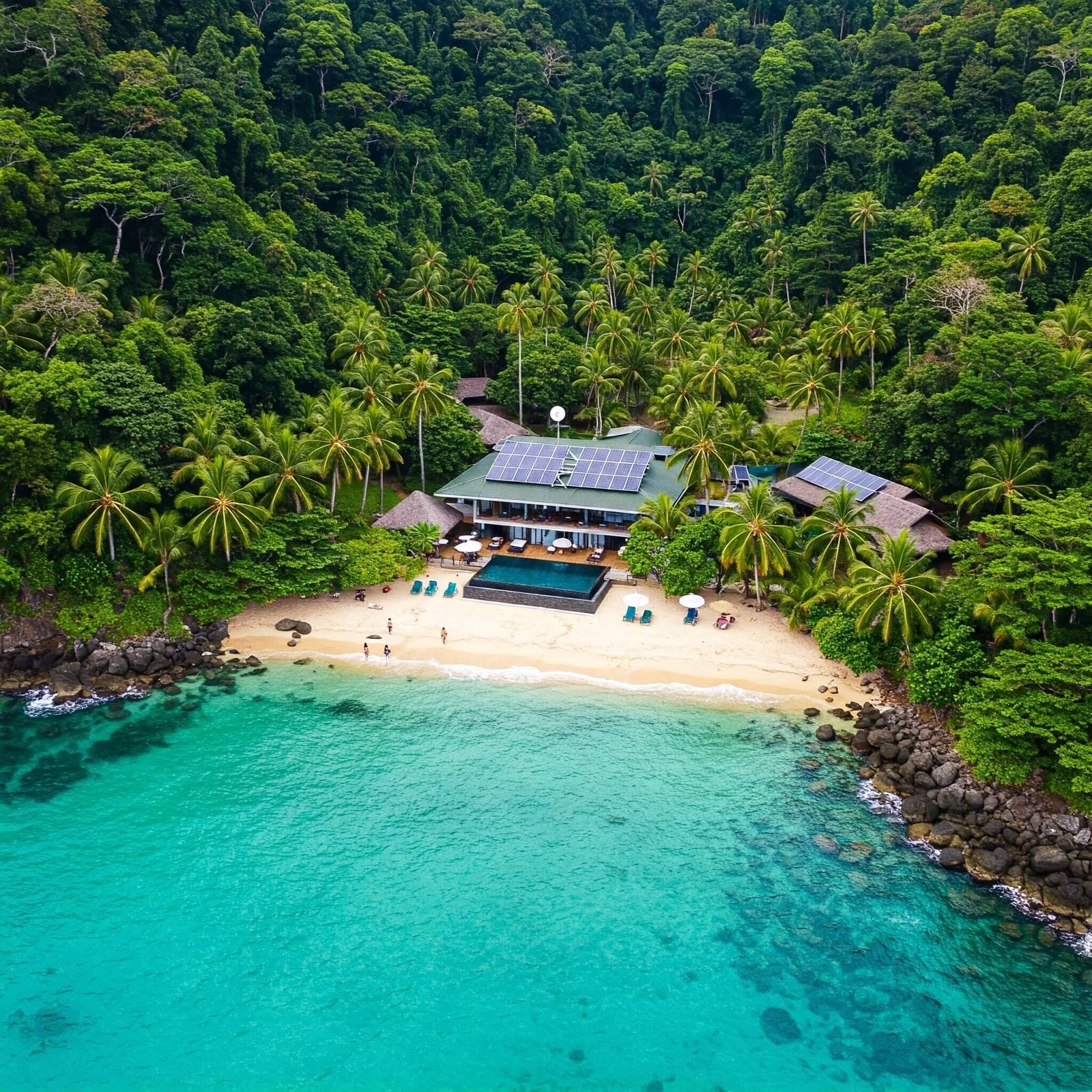
Costa Rica basically invented good eco-tourism destinations vibes. Like quarter of the country protected, tourist bucks pay for patrols, tree planting, animal corridors. My friend went and raved about these eco-lodges—solar, hydro, felt nice without wrecking the place.
:max_bytes(150000):strip_icc()/TAL-lapa-rios-boardwalk-DOTYCRHOTELS1223-5da56db17edb44cd885d18c7a7580859.jpg)
The Best New Hotels in Costa Rica Have Organic Gardens, Beachfront Pools, and National Park Views
That boardwalk snaking through the trees—mist, dripping leaves, quiet except birds and howlers in the distance. Imagine walking it, phone dying, just breathing it in.
- Hanging bridges in Monteverde (low impact, guided)
- Turtle nesting in Tortuguero—locals patrol, get paid
- Arenal hikes with volcano backdrop but smart trails
You learn stuff there. Leaves feeling smarter, less clueless.
2. Galápagos Islands
Super strict—small boats, certified guides only, don’t touch nada, fees fund everything park-related. Wildlife popping off because of it. Giant tortoises lumbering, iguanas swimming, blue-footed boobies doing their awkward lift-feet-high dance.
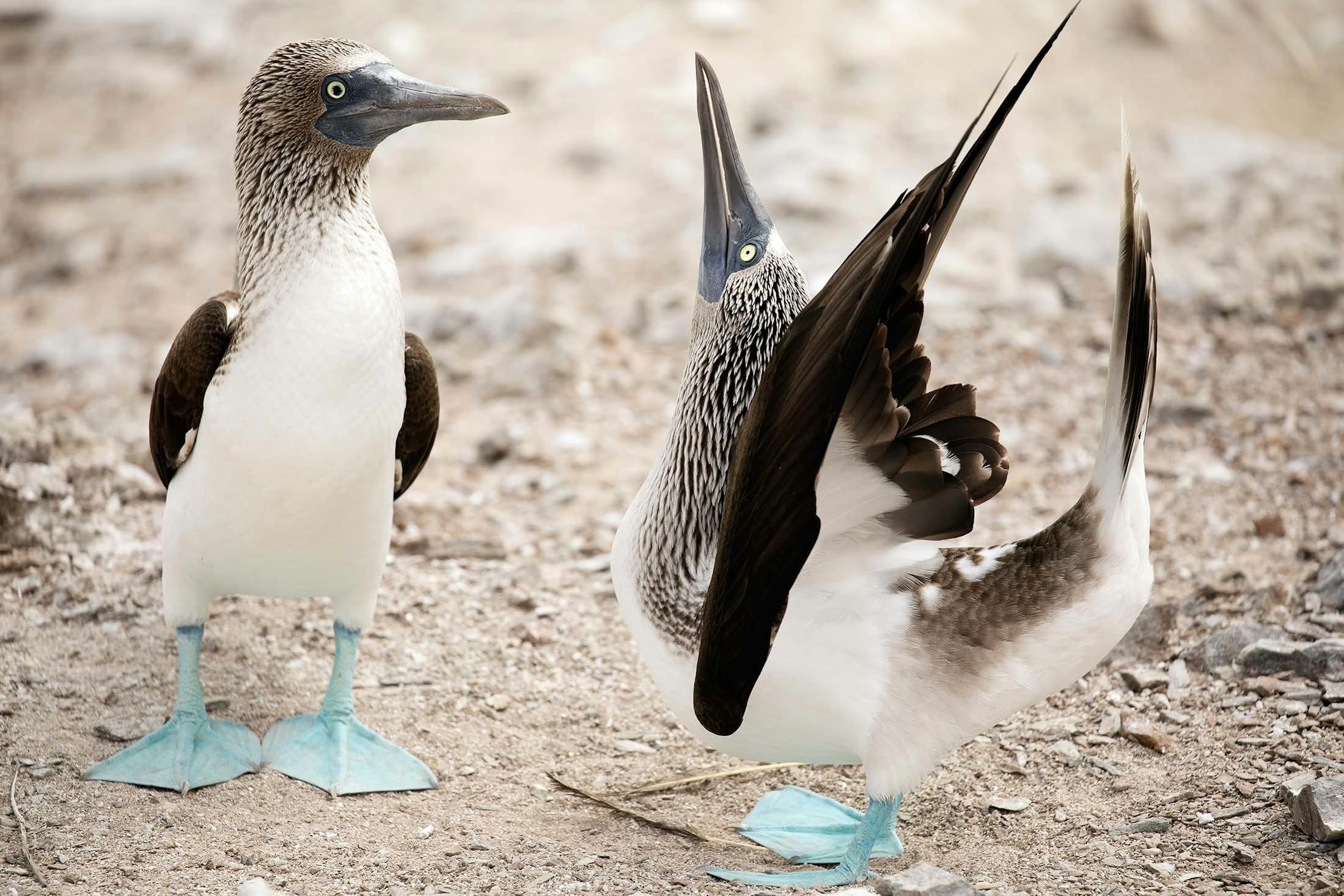
Is a Dancing Blue-Footed Booby Trying to Attract a Mate? | Discover by Silversea
Those feet—bright blue, like bad 80s eyeshadow but it works for mating. Tourism keeps invasives controlled, supports research. Expensive af, but you feel part of something bigger.

Blue-footed boogie isn’t enough for booby babies | New Scientist
Pair just staring—total weirdos, thriving.
3. Okavango Delta – Botswana
Floods make this wetland insane every year. High-cost low-volume setup—few camps, mokoro (canoe) trips, walking safaris. Cash goes to anti-poaching, local jobs, keeping the delta wild.

Mokoro Experience on the Khwai River · Khwai River
Elephants right there while you’re poling quietly through reeds at sunset—mind blown. Locals handle a lot, money circulates.
No jeep hordes; peaceful.
4. New Zealand Protected Zones
Maori-led conservation shines—whale tours fund community, biosecurity hardcore in Fiordland to stop pests. Tourism helps preserve land and culture.
I daydream about it nonstop—clean trails, fresh air, feeling like I’m respecting the place.
5. Kenya Conservancies (Lewa, Loisaba types)
Private conservancies link habitats—tourism pays rangers, community schools, vets. Rhinos coming back strong.
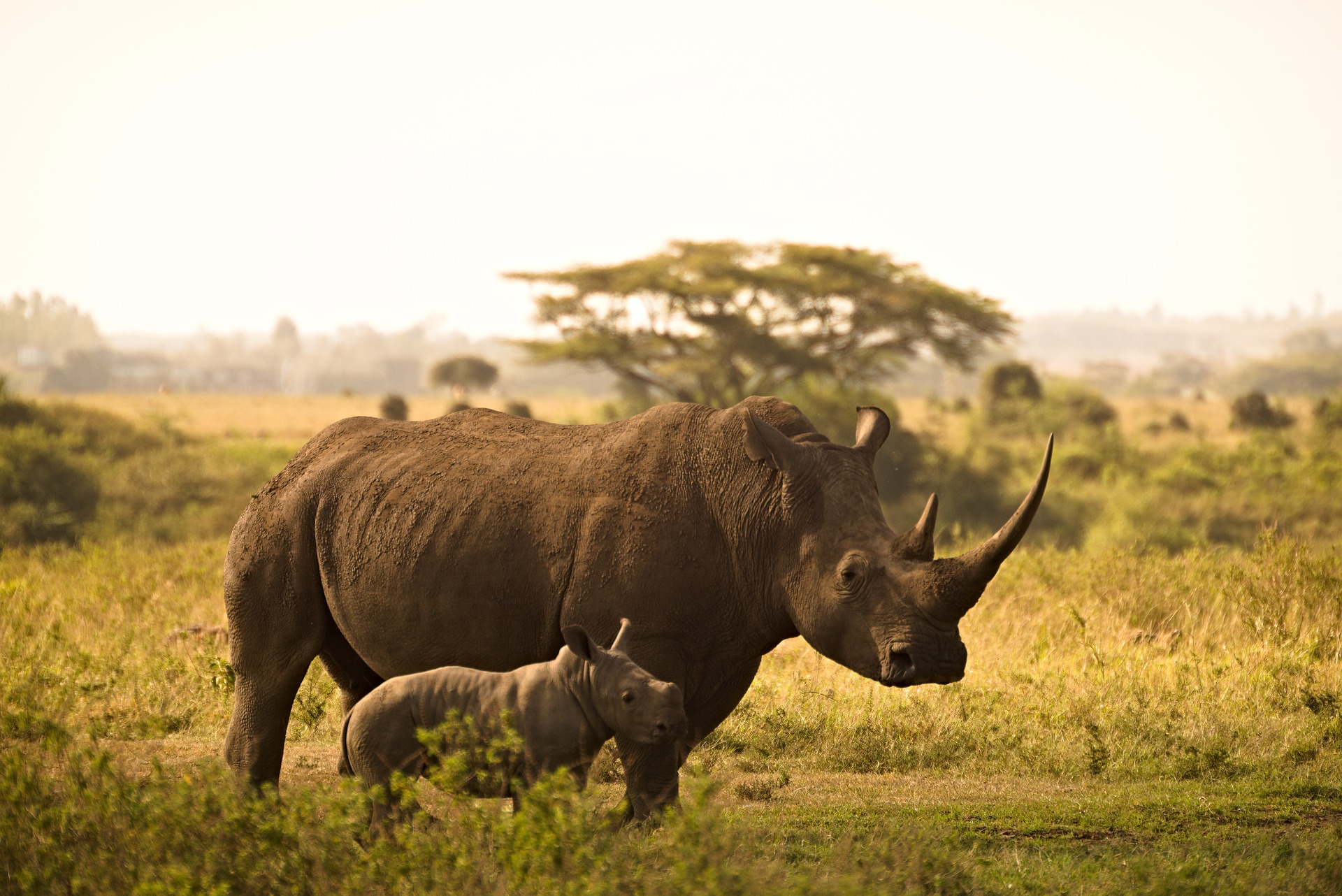
admin, Author at Adventures Africa – African Safari and ToursAdventures Africa – African Safari and Tours
Mother and Baby Rhino stock image. Image of wildlife – 365400011
Mom rhino and calf grazing—makes your chest tight. Direct species-saving impact, no canned hunts.
Whew, got carried away again. Sorry. These eco-tourism destinations give me that rare “maybe we’re not totally doomed” feeling, even if I still mess up (plastic phase lingers, oof). I offset flights now when I remember, pick better operators, try to leave spots cleaner.