














What Actually Counts as Eco-Tourism (and Why I Got It Wrong at First)
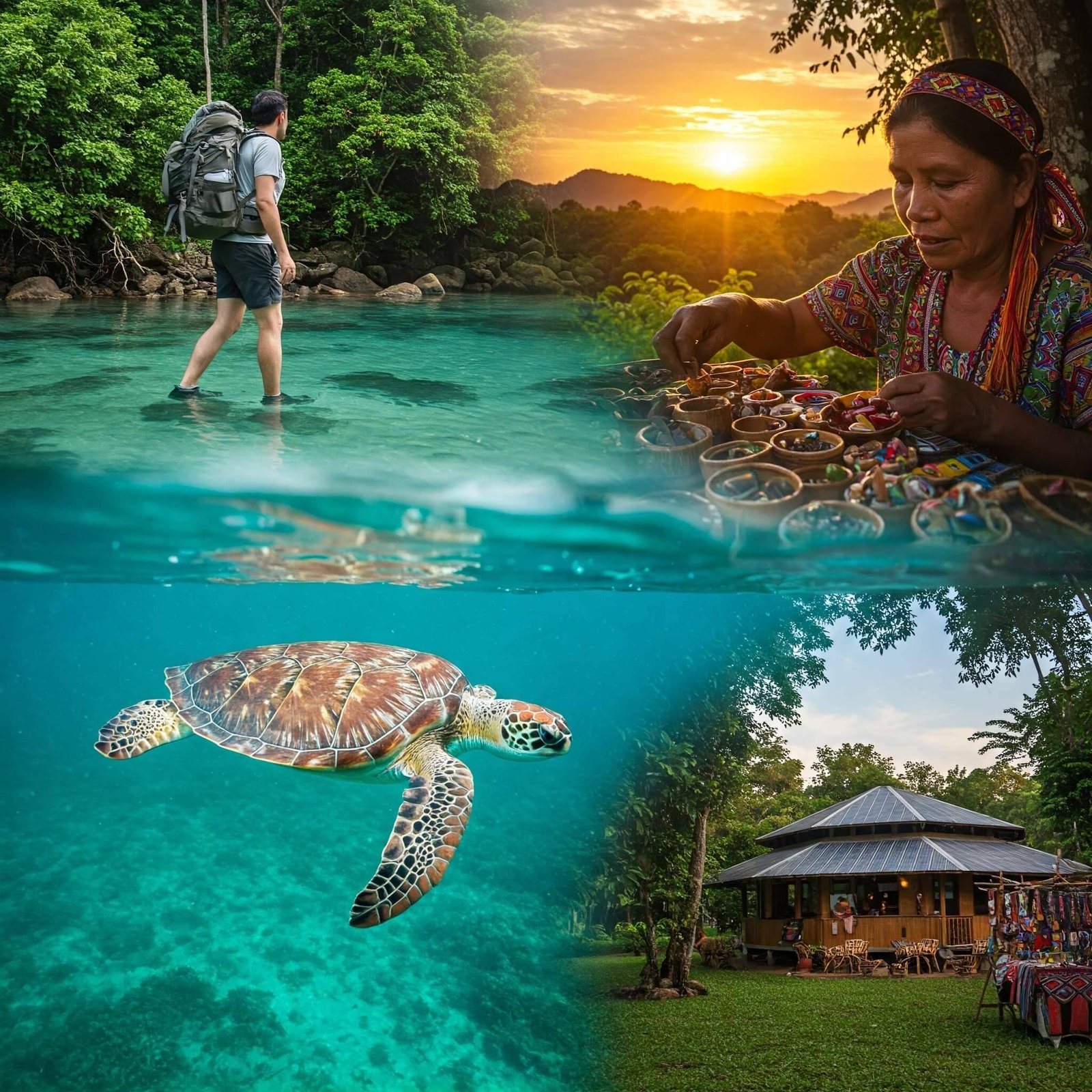
Eco-tourism has been popping up everywhere lately and honestly it snuck up on me too. I used to just think “cool, nature trip” and call it good, but it’s supposed to be travel that protects the environment, benefits local people, and educes you (educates? whatever). According to the real experts over at TIES – The International Ecotourism Society, it’s about conservation + local well-being + learning, not just pretty Instagram spots.
I learned this the awkward way after booking what was advertised as an “eco-cabin” near Mount Rainier. Turned out the “eco” part was mostly the owner putting up one solar light and charging extra for it. Lesson one: read the fine print and cross-check reviews like your life depends on it.
But also, greenwashing is rampant. I fell for it. Bought “eco-friendly” sunscreen that was just regular sunscreen with a green leaf on the bottle. Sigh.

The Times I Totally Failed at Eco-Tourism (and Still Feel Dumb About It)
Look, I’m not proud of this but transparency or whatever.
- Left a Clif bar wrapper blowing across the trail in Olympic National Park because I was too busy taking a picture of banana slugs (they’re cool okay). Had to chase it down while other hikers stared.
- Drove my gas-guzzling 2012 Forester to three different parks in one week “to be eco-friendly” by avoiding flights. Math does not math there, self.
- Tried the whole “pack it in, pack it out” thing and forgot I had a half-eaten burrito in my daypack. Found it three days later smelling like regret.

I still do stuff like this sometimes. I’m human, not a Patagonia model.
Stuff I’ve Actually Learned (Mostly the Hard Way)
Here’s what kinda works when I remember to do it:
- Follow Leave No Trace religiously → official NPS breakdown here if you want the real rules: nps.gov/articles/leave-no-trace-seven-principles.htm. I still have to remind myself daily.
- Go shoulder season or shoulder locations → Great Basin National Park in Nevada is stunning and empty. Bonus: no cell service so you can’t post your failures in real time.
- Buy local, stay local → Small mom-and-pop outfitters usually care more than big chains. I stayed at this little place near Zion that used all solar power and grew their own veggies. Felt legit.
- Gear secondhand when possible → Facebook Marketplace has saved me so much money and landfill space.
- Be okay with imperfection → I still fly sometimes. I still buy bottled water in a pinch. The goal is better, not perfect.
Final Thoughts (Before I Get Distracted Again)
The rise of eco-tourism is cool and scary at the same time. Cool because more people care. Scary because more people = more potential damage if we’re not careful. I’ve had these perfect moments—like watching the sun come up over Crater Lake with nobody else around, thermos of terrible instant coffee in hand—and they make me want to keep trying.