




















Alright, eco-tourism is straight-up the future of sustainable travel and I’m saying this while sitting in my messy kitchen in Denver with coffee stains on the counter and my hiking boots still caked in last weekend’s mud from a trail near Golden.
I used to be terrible at this stuff. Like, embarrassingly bad. Back in 2019 I went to Zion during spring break—crowds everywhere, I took the shuttle like everyone else, left my granola bar wrapper blowing around because “it’s just one,” stood way too close to a bighorn sheep for the ‘gram. Felt cool at the time. Came home, saw the erosion photos people were posting, and felt like garbage. That was the start of me actually trying to do sustainable travel instead of just talking about it.
Okay but what does eco-tourism actually look like when you’re not perfect at it
Real eco-tourism in the US means:
- Actually reading the Leave No Trace signs instead of walking past them
- Picking up other people’s trash sometimes (yeah I do that now, feels weirdly good)
- Booking smaller outfitters or staying in places that cap visitors
- Flying less when I can drive or take Amtrak (though I still fly too much, sue me)
I really like the Leave No Trace Center’s resources—they’re free and actually useful. https://lnt.org/why/7-principles/
The trip that finally made sustainable travel click for me (sort of)
Last fall I did a backpacking loop in the Weminuche Wilderness in Colorado. No permits needed if you’re smart about it, small group of four, we stuck to established campsites, packed out EVERYTHING including used TP (gross but necessary), and kept voices low so we didn’t spook the elk we kept seeing at dawn.

I’ve been to all 63 major US national parks. These are the 6 I always tell people to visit in the fall. – AOL
Woke up one morning to frost on the tent, coffee tasted better than anything from Starbucks, and there wasn’t another soul in sight for hours. Felt like we earned it. Then on the way out I realized I’d dropped a tiny carabiner somewhere—spent like 45 minutes backtracking looking for it. Didn’t find it. Still bugs me. That’s the imperfect part of eco-tourism: you care enough to be annoyed when you mess up.
Here’s a shot kinda like what that morning looked like—quiet, cold, perfect.
Why we actually need eco-tourism more than ever (even if we suck at it sometimes)
Overtourism is trashing places I love. Arches National Park had to close sections because people were climbing on arches. Yosemite’s Glacier Point road gets insane. Meanwhile visitor spending pumps billions into gateway towns—people need jobs—but the land can’t handle unlimited selfie-takers.
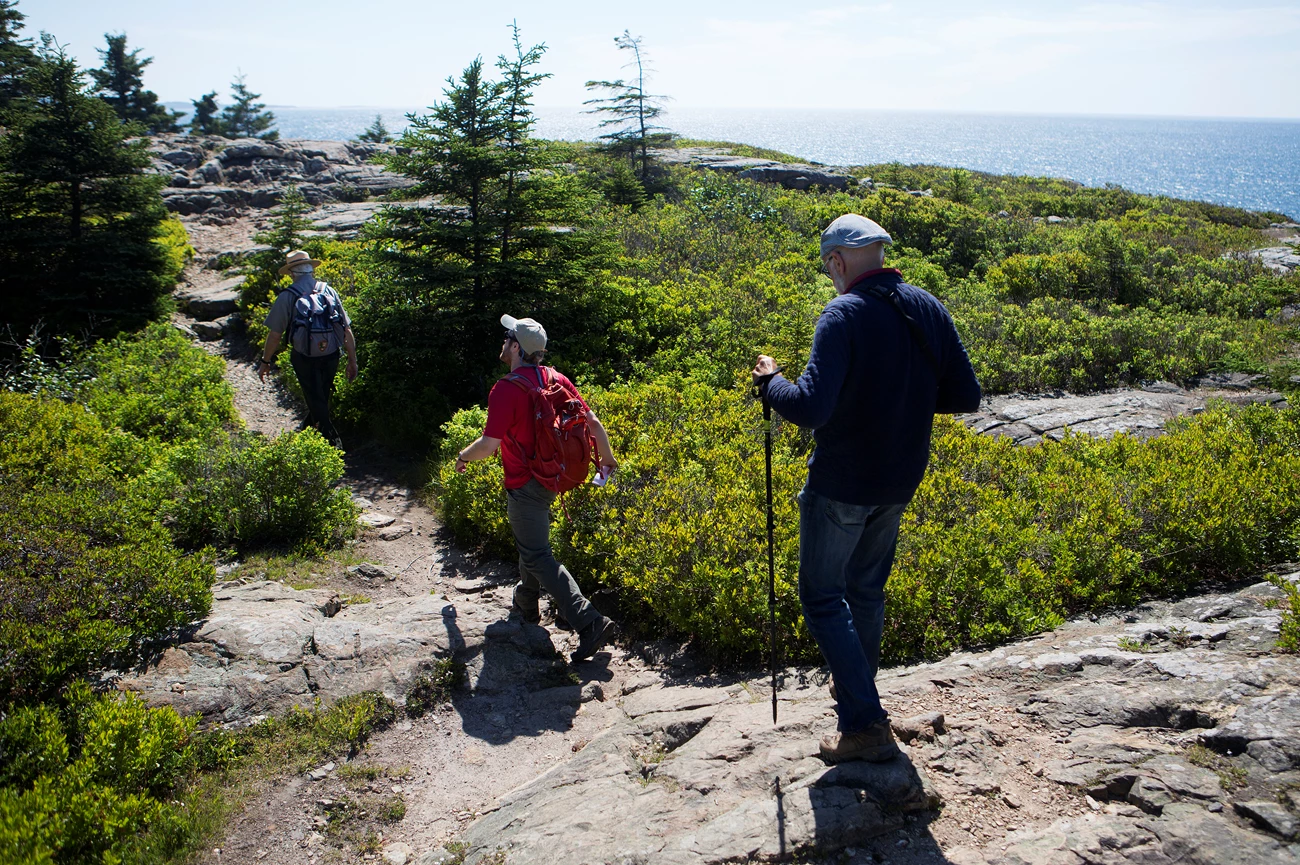
Leave No Trace – Acadia National Park (U.S. National Park Service)
Surveys keep showing more Americans want green travel options now. It’s not a fad anymore.
Another view from a trip last year—small group, big respect for the place.
Tips from someone who still screws up regularly
- Go mid-week or shoulder season if you can—way less chaos
- Download the offline maps on AllTrails or Gaia so you don’t wander off trail
- Carry a trash bag and pick up one piece of micro-trash every hike (builds the habit)
- Look for businesses with actual sustainability certs—not just greenwashing
- Talk to rangers—they know the least-damaged routes and appreciate when you ask

What Is Eco Glamping? 5 Trends to Boost Your Resort in 2025 | Tree Tents USA
I once left my headlamp on all night in camp—drained the batteries and had to hike out in the dark with a friend’s spare. Dumb. But I learned to double-check now.
One more pic—glamping setup I tried in Utah that felt luxe without wrecking anything.